Running Between Worlds: Inside Treefort Music Fest’s DIY Spirit and Main Stage Magic
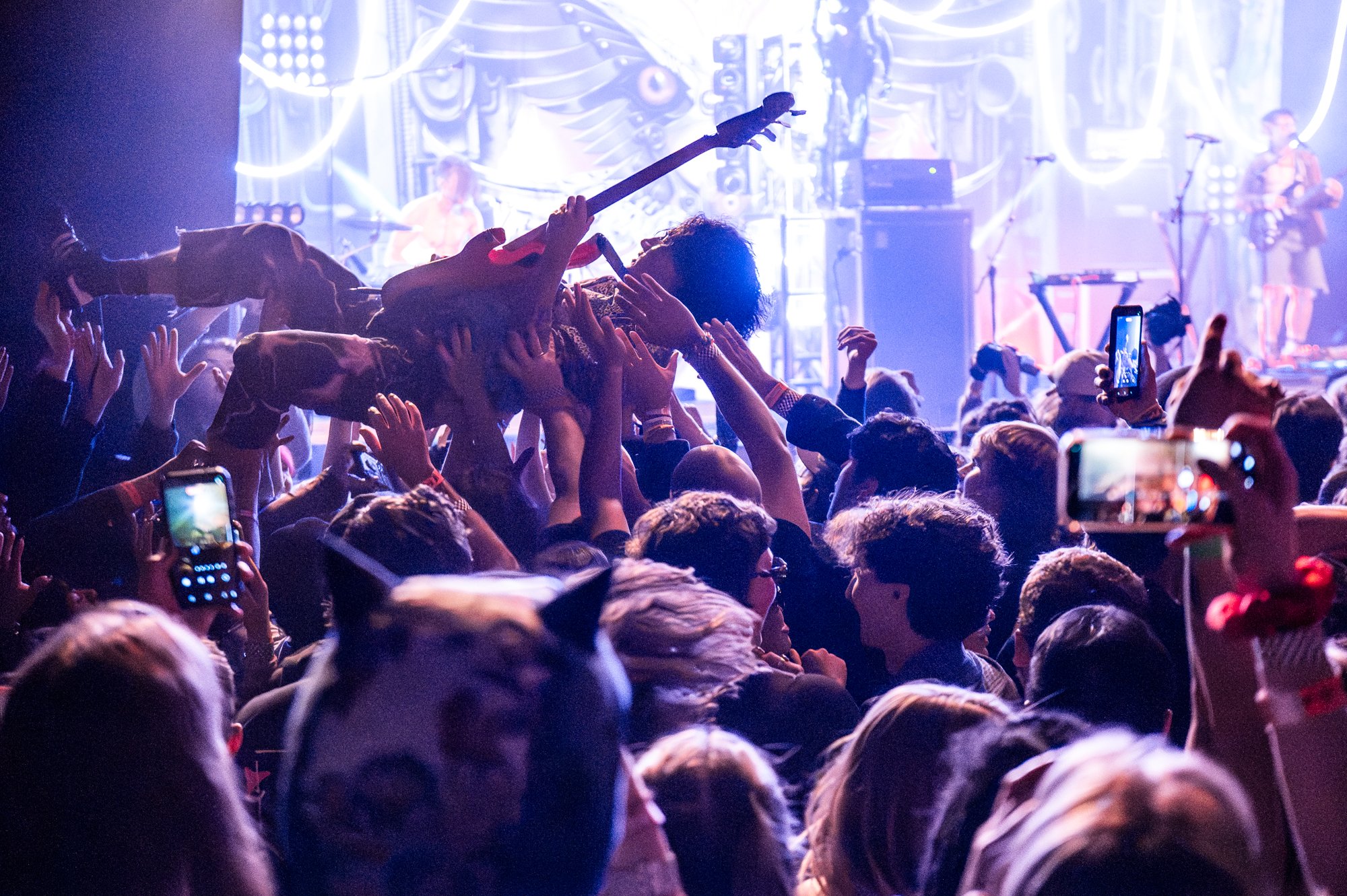
Photo credit: Shannon Johnston (@me_onlylouder) - Machine Girl
I attended Treefort Music Fest from March 25–29 in Boise, Idaho, and what struck me most was its ability to exist in two worlds at once. There’s a DIY, multi-venue sprawl reminiscent of Sled Island—where you dart between rooms chasing discovery—but also a polished, large-scale festival energy, complete with a central main stage hosting headliners like Geese, Magdalena Bay, and Father John Misty.
More often than not, I found myself gravitating toward the intimacy of venues like Neurolux and the Shrine Ballroom, but stepping into Treefort Music Hall felt like entering the festival’s heart—a permanent space built to house the very culture it celebrates. It’s rare to see a festival so embedded in its city. Boise doesn’t just host Treefort, it transforms for it. From record signings at The Record Exchange (featuring artists like Chalk and Dark Chisme) to curated vinyl displays and spontaneous interactions (Cameron Winter’s casually shopping in-store), the entire city feels activated by music and community.
Day one eased us in at the Shrine with sets from Drug Church and White Reaper. It was a strong start, but one that required pacing ourselves for the marathon ahead.
Day two began in full sunlight with Blondshell on the main stage. Her slick, emotionally sharp pop songs glistened in the afternoon heat, soundtracking a perfect Boise day spent weaving between yerba maté booths and one of the most thoughtfully curated festival merch setups I’ve seen—complete with a standout collaboration with KAVU.
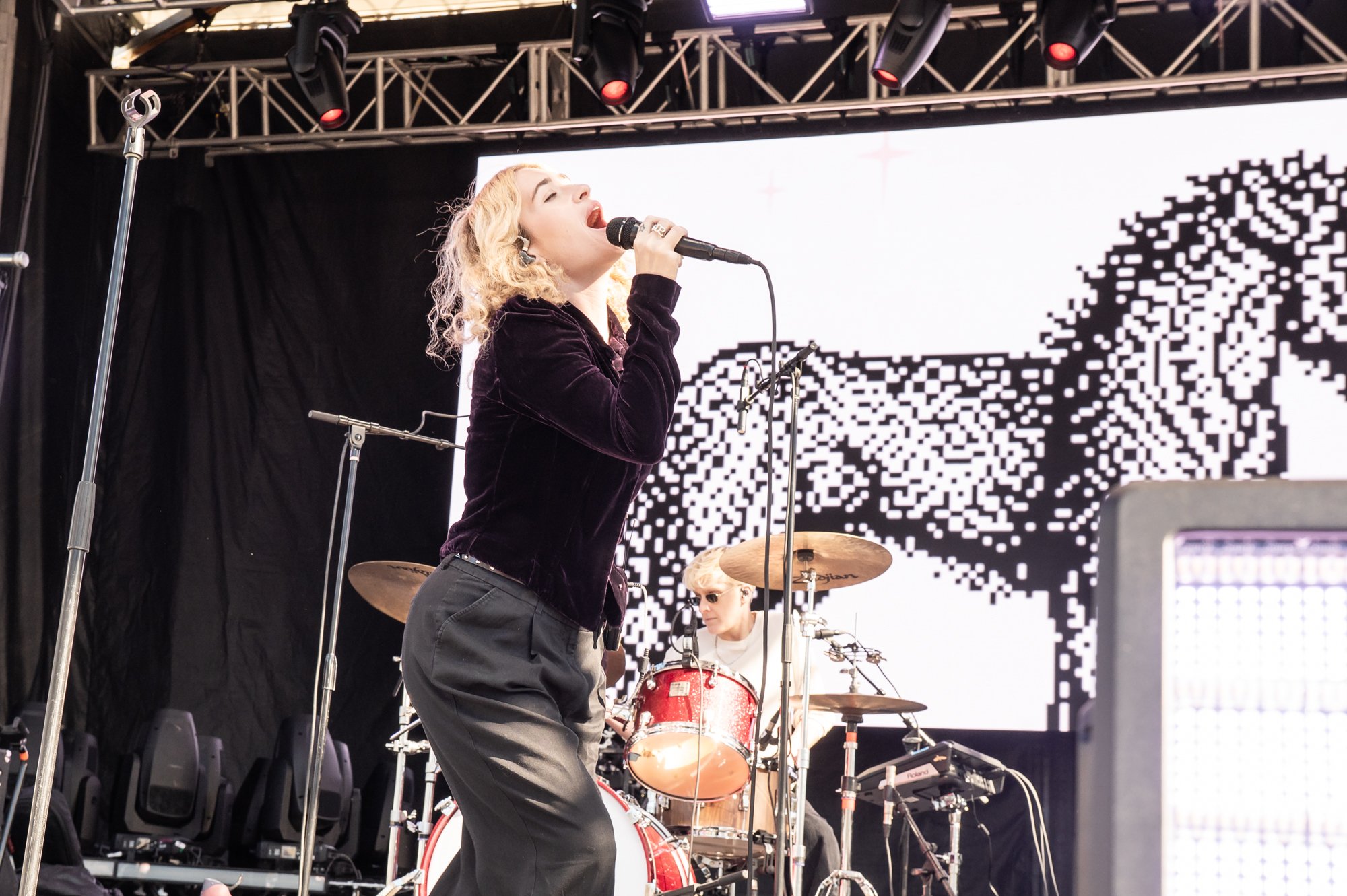
Photo credit: Shannon Johnston (@me_onlylouder) - Blondshell
Inside Treefort Music Hall, Pearly Drops delivered a set that felt suspended in another dimension. Ethereal vocals floated over saccharine, off-kilter rave textures. When vocalist Sandra Tervonen mentioned forgetting her signature sunglasses, someone in the crowd handed her a pair within seconds. That moment quietly defined the festival: a collective care that extended far beyond the stage. It was the same energy I felt later in the Shrine, when a stranger fanned me down in the drink line just to make sure I was okay. Treefort crowds don’t just show up, they also look out for one another.
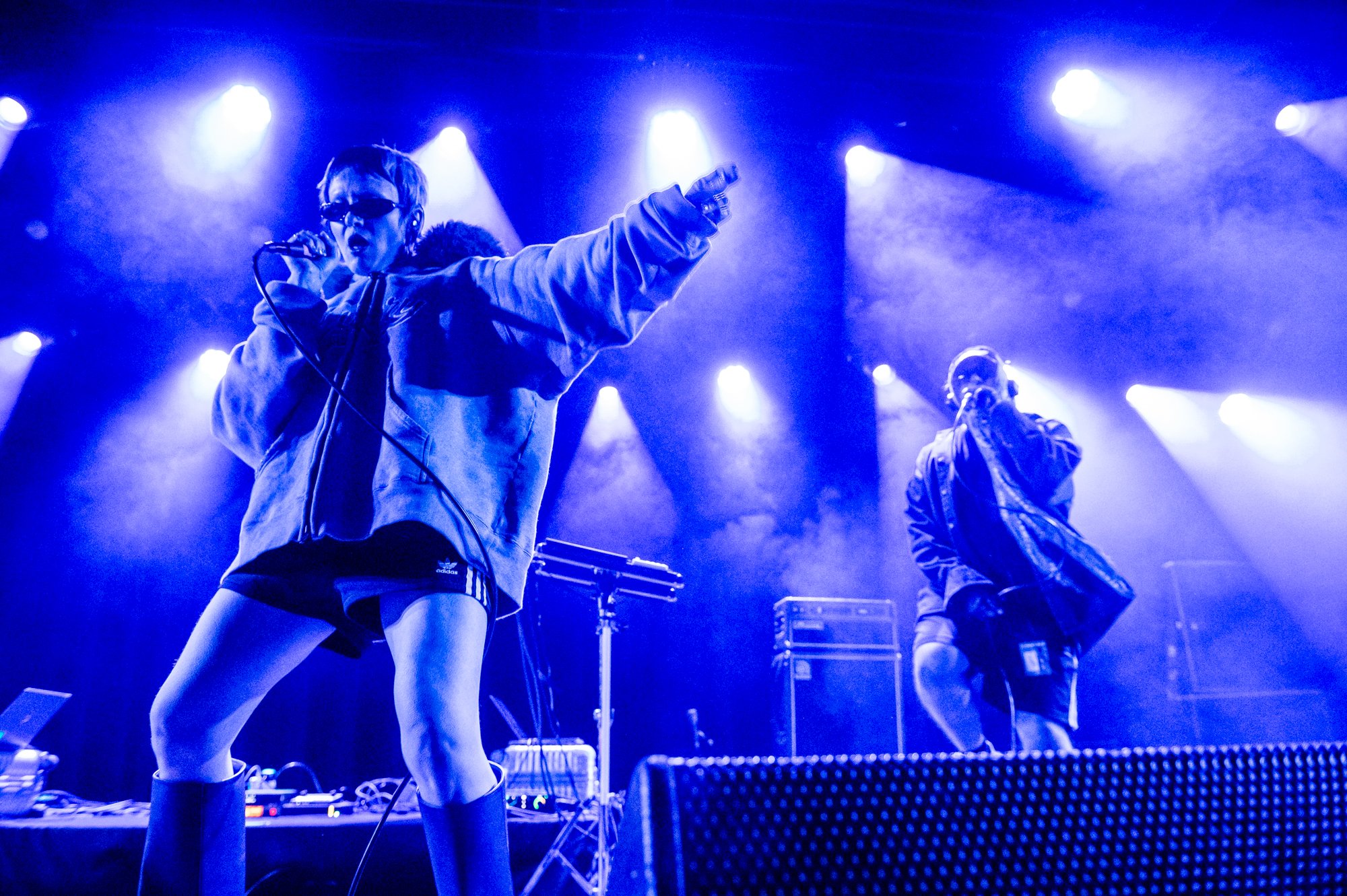
Photo credit: Shannon Johnston (@me_onlylouder) - Pearly Drops
Back at the main stage, the proximity of the Hideout side stage felt almost too good to be true—no sound bleed, no exhausting treks across festival grounds. Having experienced the sprawl of Coachella, Treefort’s thoughtful layout felt revolutionary. You could pivot from one act to another within minutes, without sacrificing experience.
At the Hideout, Citizen delivered one of the most emotionally resonant sets of the weekend. Opening with a snippet of Ella Fitzgerald’s “Get Behind Me Satan” before launching into “Cement,” they struck a perfect balance between nostalgia and immediacy. “The Night I Drove Alone” marked a clear emotional peak, not just for their set, but for the weekend. The sheer number of Treefort-exclusive Citizen sweaters spotted across the festival grounds spoke volumes about their impact.
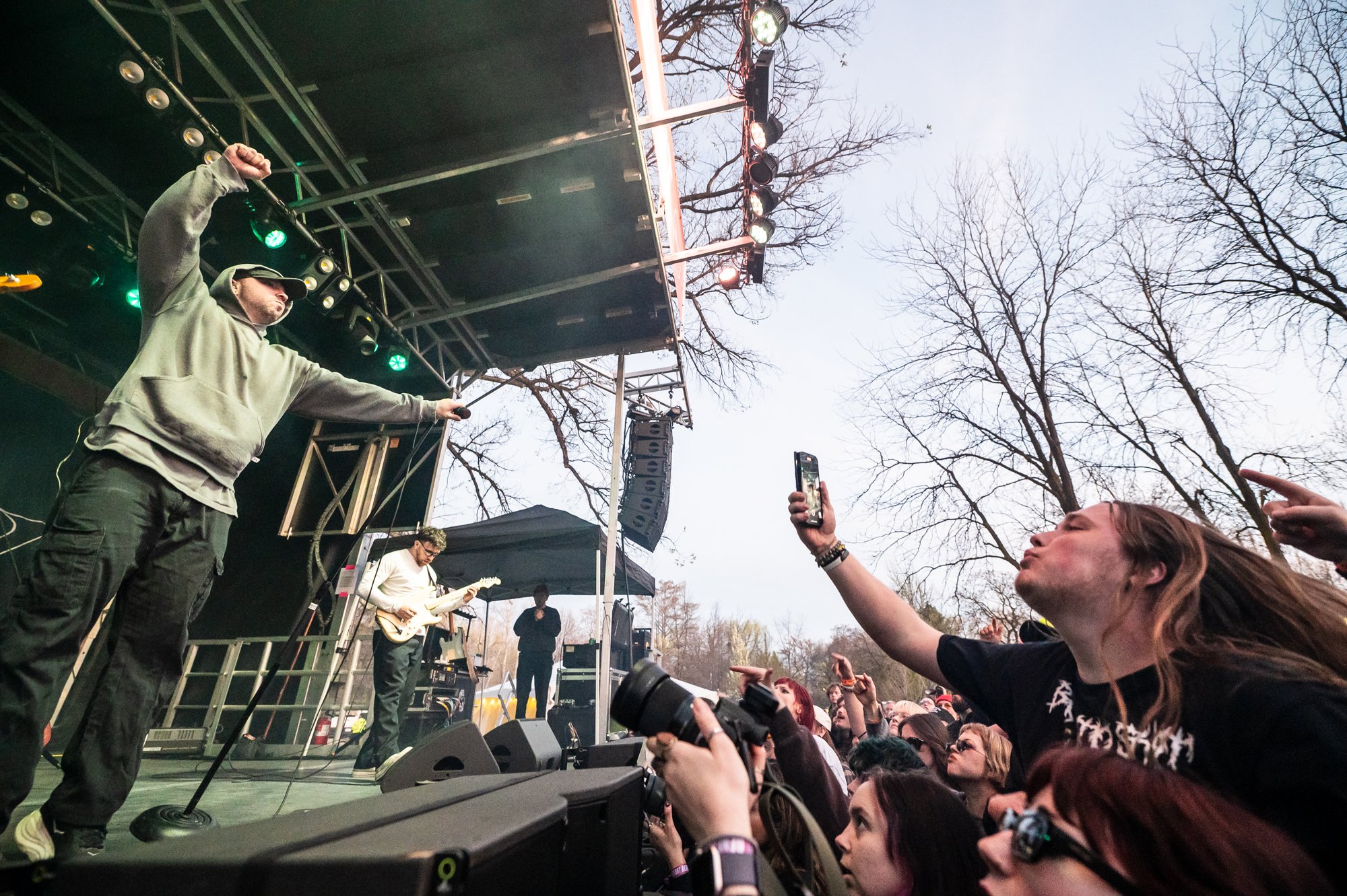
Photo credit: Shannon Johnston (@me_onlylouder) - Citizen
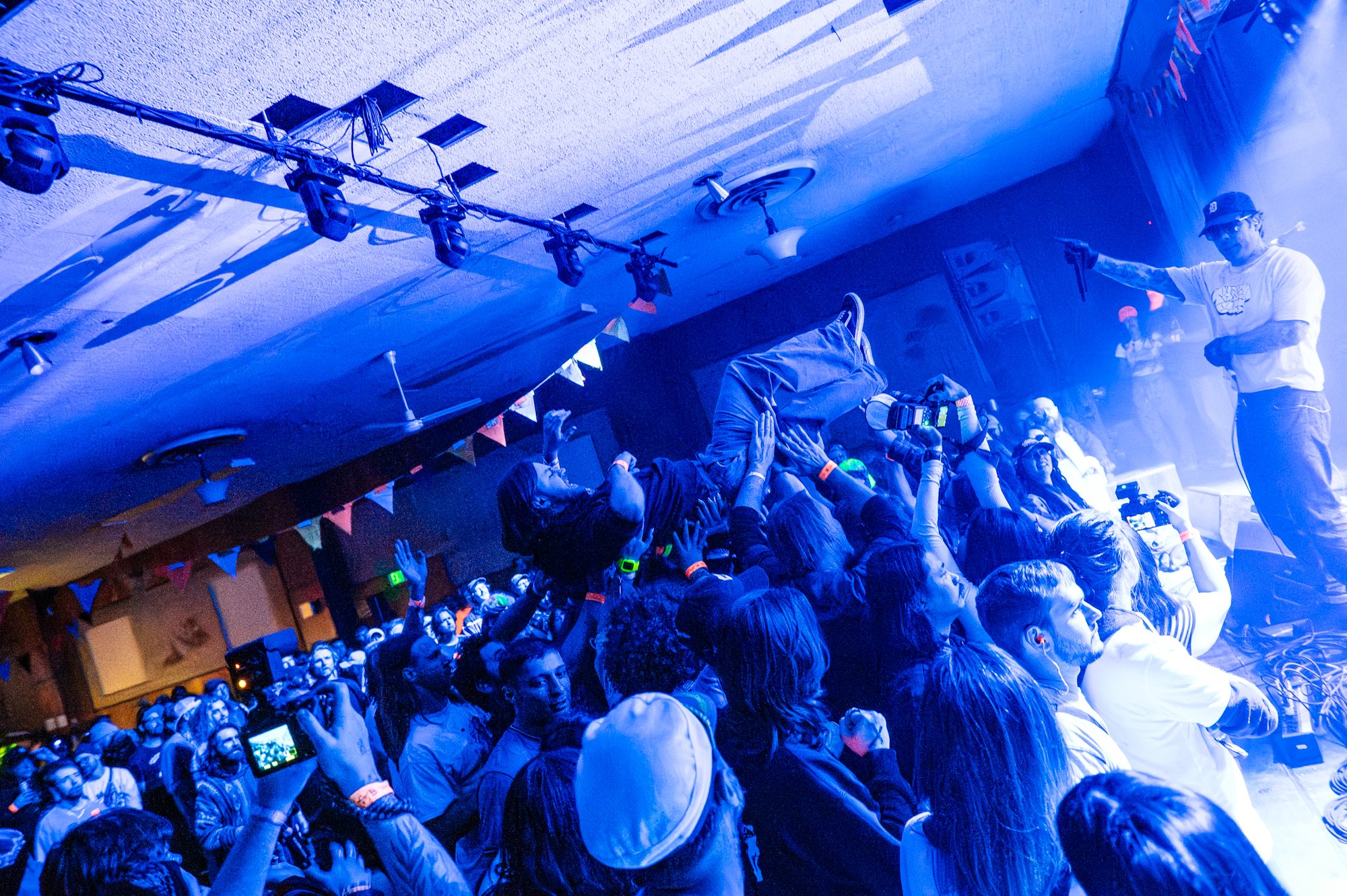
Photo credit: Shannon Johnston (@me_onlylouder) - Angel Du$t
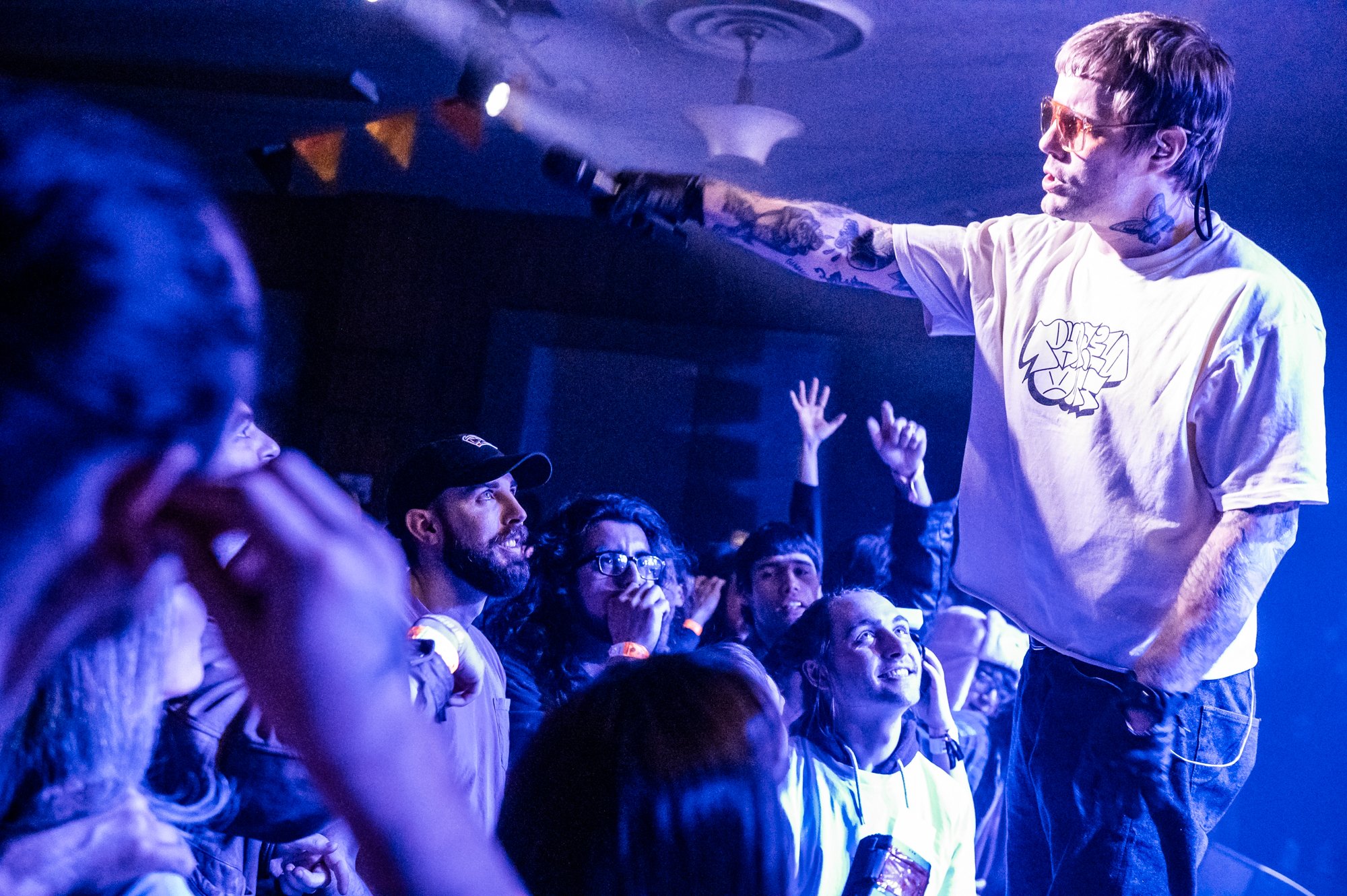
We closed the night at the Shrine with Angel Du$t, whose set felt like a reclamation of hardcore’s roots. Songs like “Cold 2 the Touch,” “Sippin Lysol,” and “Toxic Boombox” landed with explosive precision, but it was their ethos—reminding the crowd to watch out for photographers and pick each other up—that lingered. It was a reaffirmation that intensity and care can coexist.
Day three delivered one of my personal highlights: Drook at Neurolux. Having already seen them at New Colossus and SXSW, I knew what they were capable of—but Treefort’s pristine sound elevated everything. With lighting by Ethan Weiser (fresh off work with flipturn), their set became something immersive and transportive. Their sound—somewhere between Björk’s experimentalism and The 1975’s pop instincts—defies easy categorisation. There are flashes of shoegaze, noise rock, and electronic textures, but what makes Drook compelling is their inward-facing performance style—they play to each other as much as the audience, creating a sense of witnessing something private.
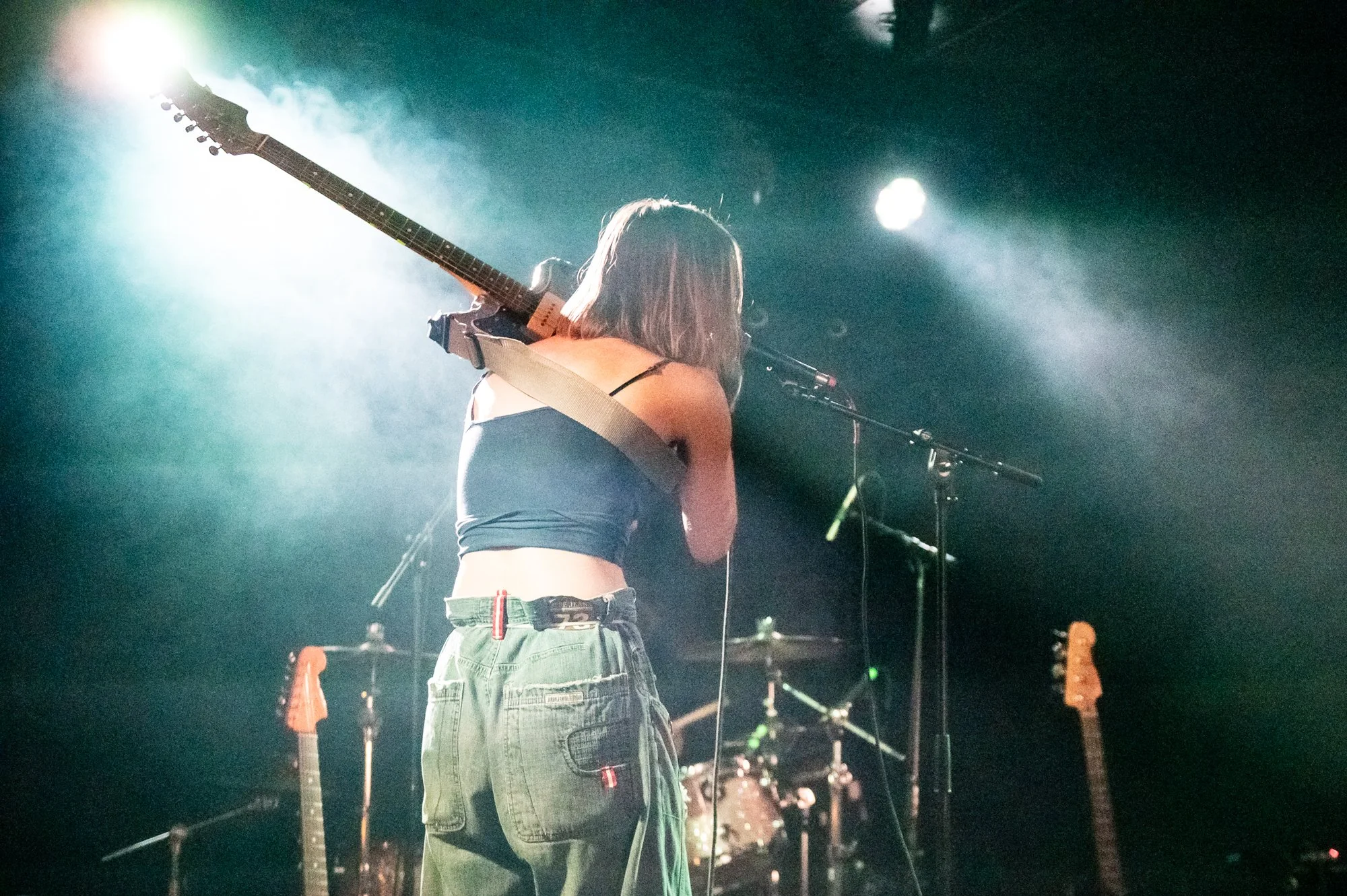
Photo credit: Shannon Johnston (@me_onlylouder) - Drook
We caught Chalk shortly after, fresh off their debut Crystalpunk, delivering a set that felt industrial, urgent, and unrelenting—echoing the scale and intensity of Nine Inch Nails.
Then came chaos. At the Knitting Factory, Machine Girl turned the venue into something unrecognizable. Matt Stephenson was everywhere at once as he dove into the crowd, scaled rafters, sprinted across bar tops. Their sound—part breakcore, part punk, part total sensory overload—felt like it was tearing open the room from the inside. It was disorienting and borderline uncontainable.
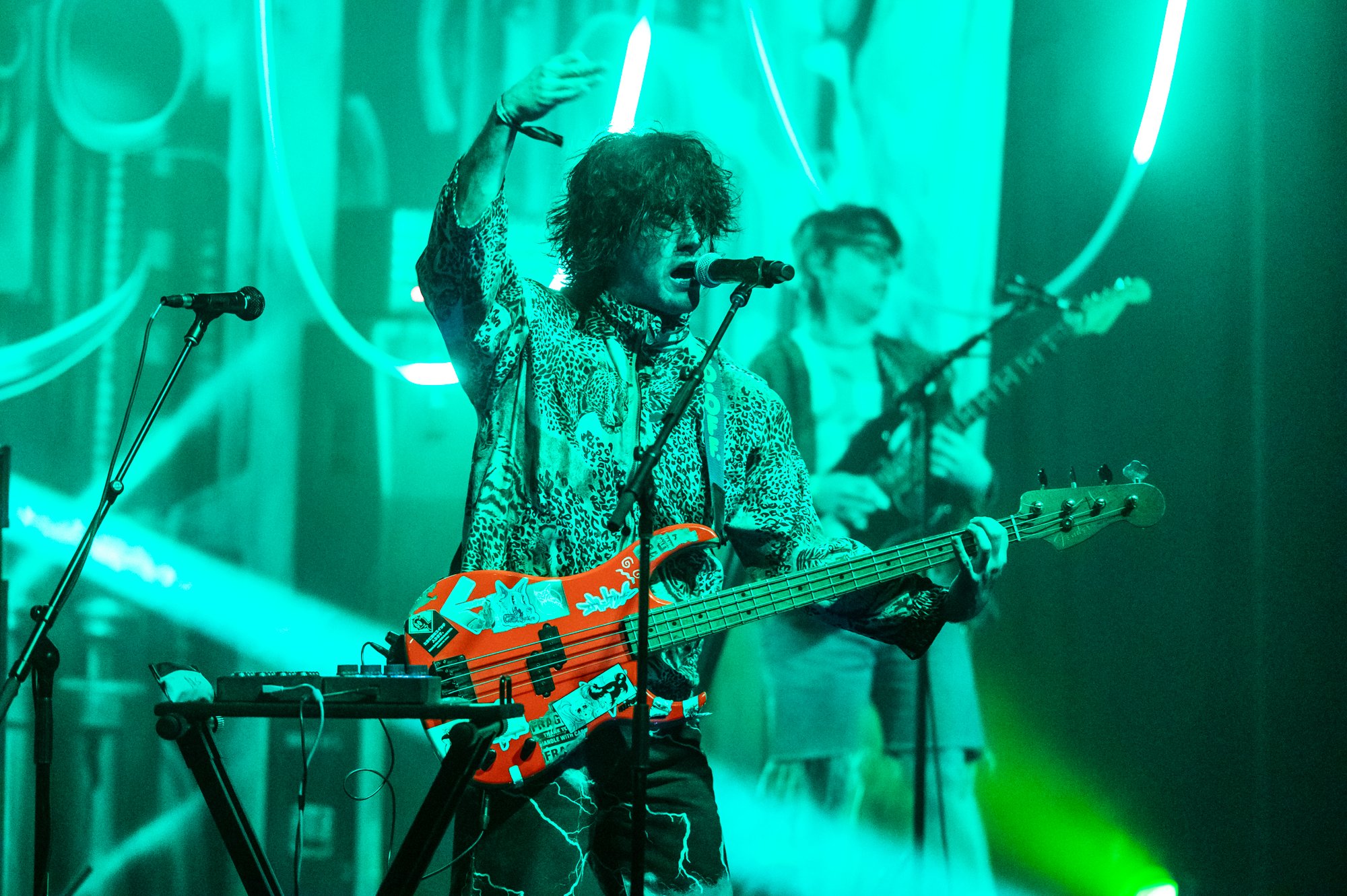
Photo credit: Shannon Johnston (@me_onlylouder) - Machine Girl
Needing a reset, we found it at Treefort Music Hall with COBRAH, whose set leaned into polished pop spectacle. Bubbles drifted across the stage as she performed alongside two dancers, creating a striking contrast to the chaos we had just left behind. When she teared up speaking about her connection to Boise, it resonated deeply by that point, as it felt like we all understood what she meant. Bringing out all of our inner baddies - COBRAH ran through the hits including “Brand New Bitch,” “10/10,” and “GOOD PUSS.” Never a dull moment as the crowd screamed with excitement at every choreographed dance break.
Day four brought one of the most meaningful moments of the weekend: our co-presented matinee with Purple City Music Festival, spotlighting an all-Canadian lineup including Still Depths, Bonnie Trash, VERTTIGO, and PISS. Seeing a line out the door at 1pm—with magazines in hand and genuine curiosity in the room—was a reminder of why this work matters. PISS, our issue 6 cover stars, delivered a performance that blurred the line between concert and performance art, commanding silence before erupting into visceral intensity.
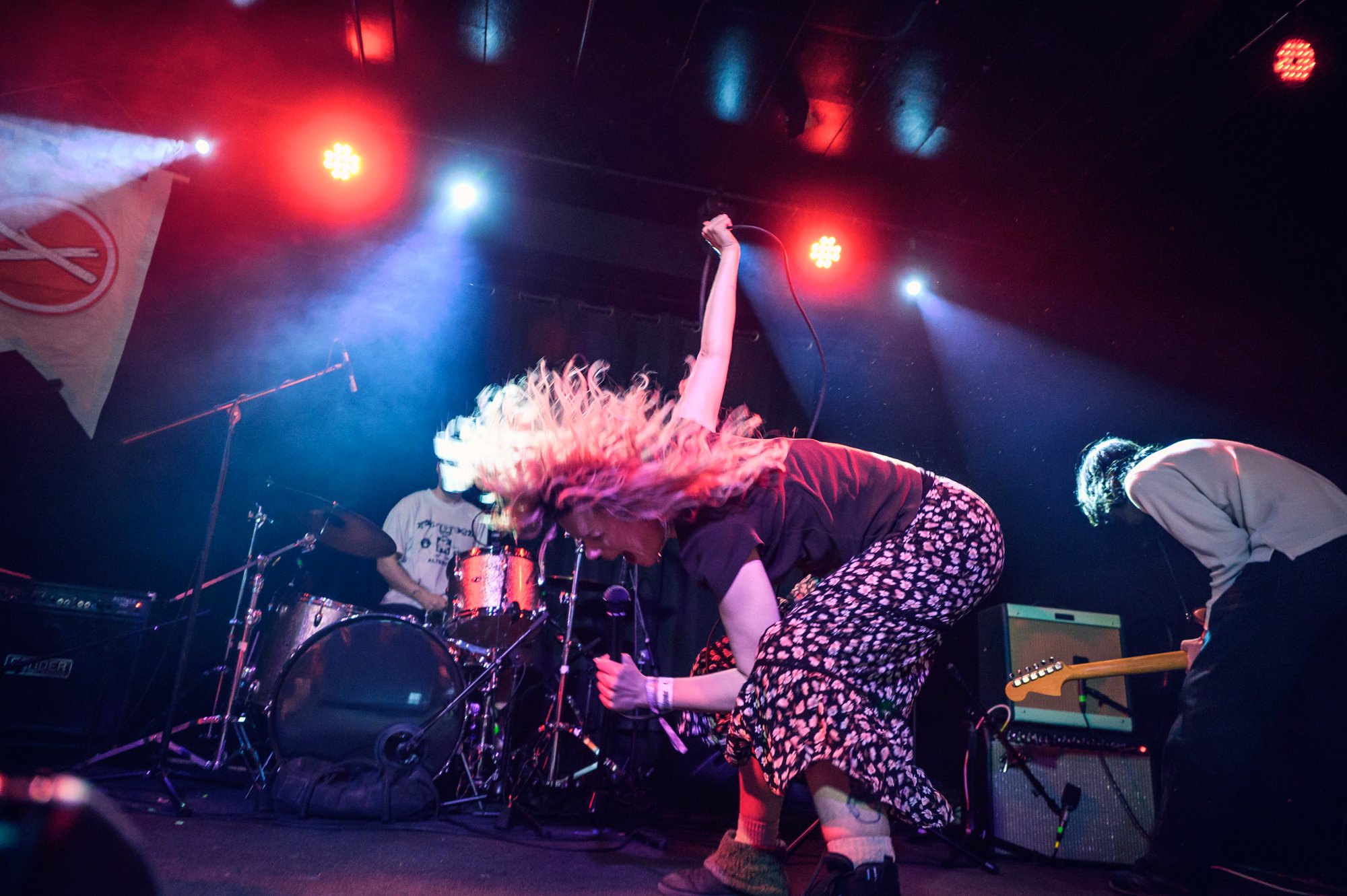
Photo credit: Shannon Johnston (@me_onlylouder) - PISS
Later, rumours led us to Rhodes Skatepark for a surprise set by Built to Spill. Tucked beneath an overpass, the set unfolded as a one-hour instrumental jam—no vocals, just Doug Martsch stretching his guitar work into something expansive and meditative. Watching skateboarders weave through the crowd with boards in hand, it felt like a perfect intersection of subcultures.
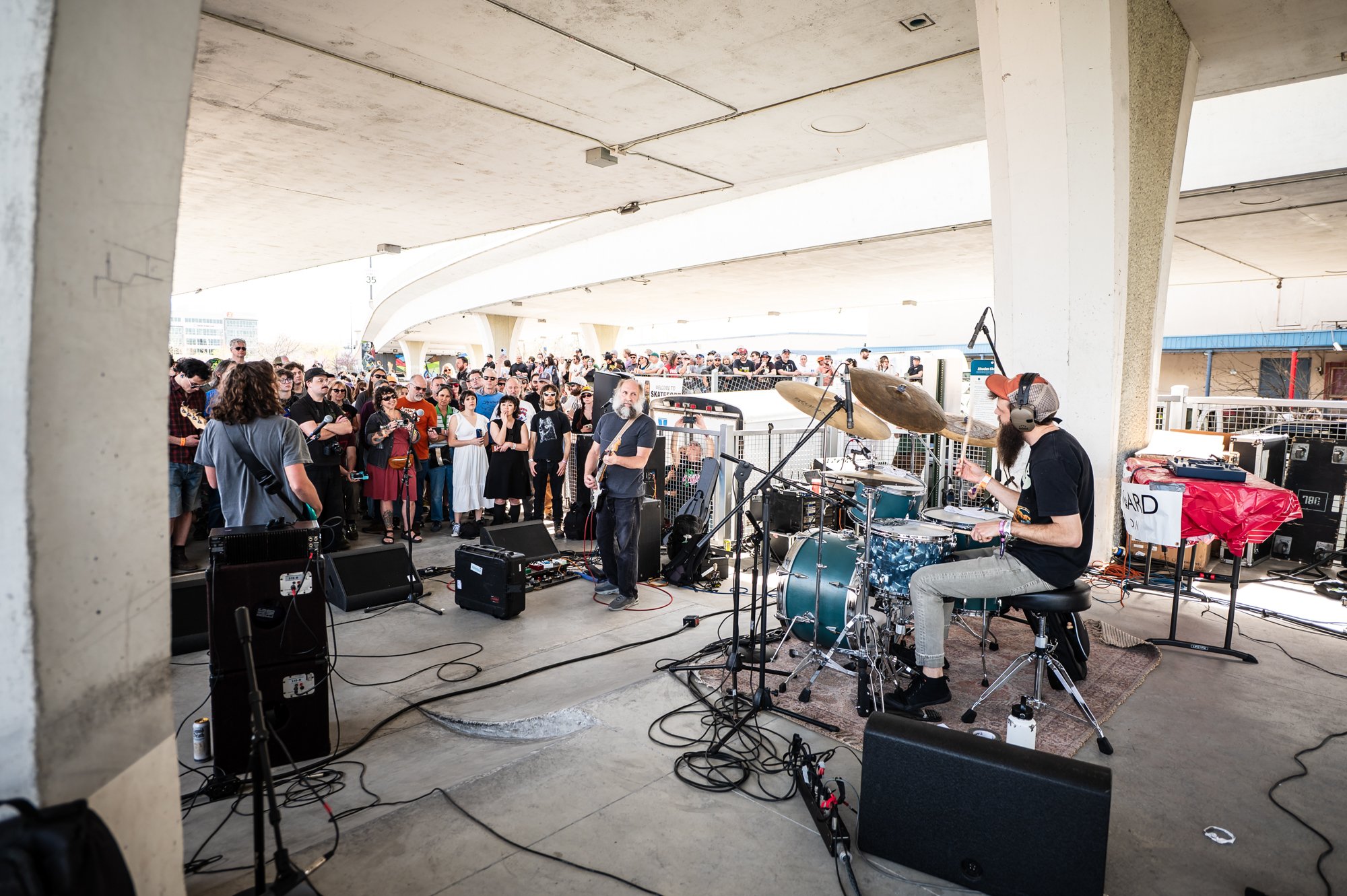
Photo credit: Shannon Johnston (@me_onlylouder) - Built to Spill
That night, the main stage swelled for Geese—arguably the most talked-about set of the weekend. The crowd felt split between fervent believers and curious skeptics. While “Taxes” hit its mark, the divisive reaction suggested a band still in the process of fully stepping into their scale. For now, they remain compelling, but I’m not sure if I’m convinced this is an arena/main-stage level act yet.
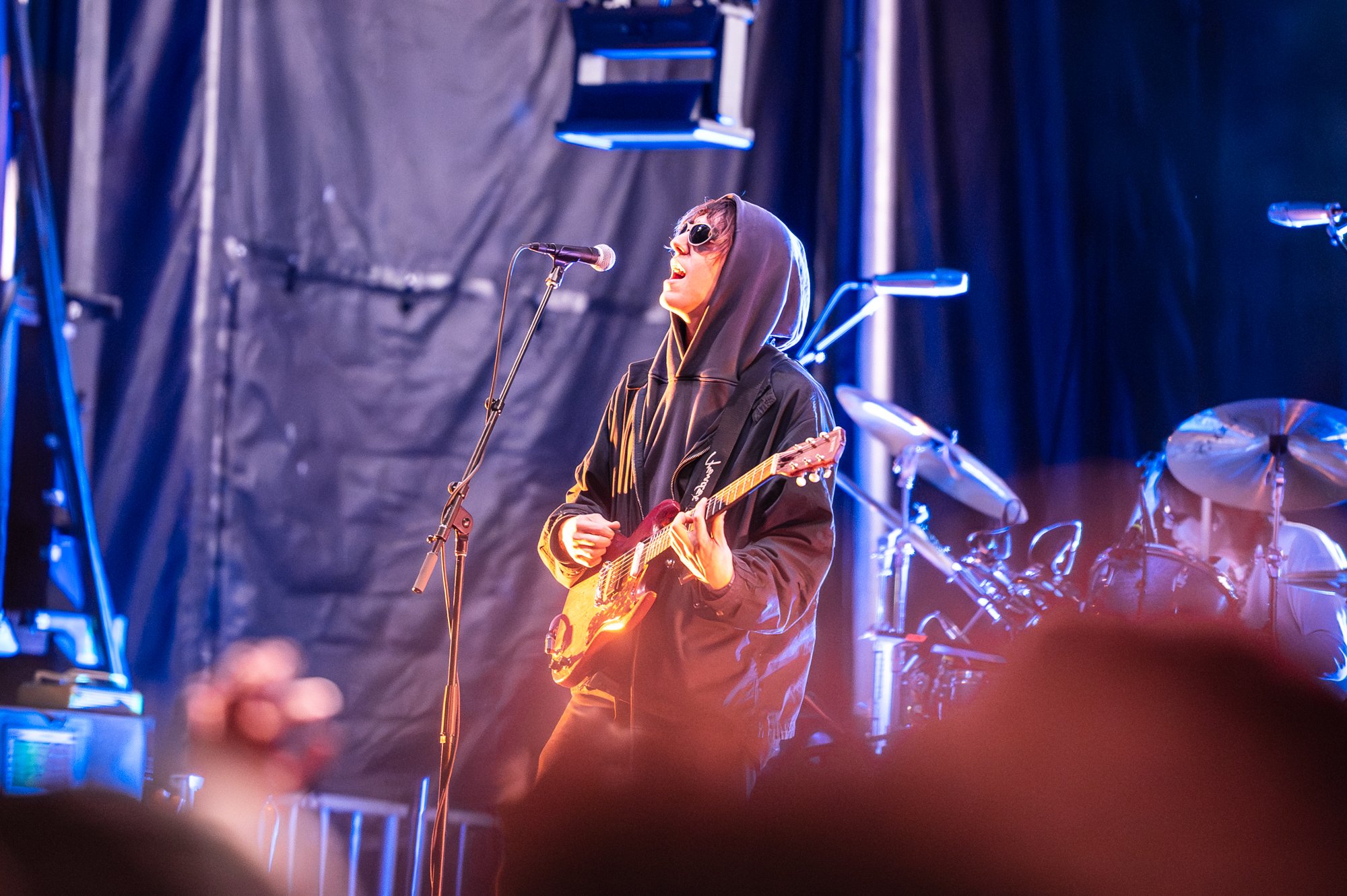
Photo credit: Shannon Johnston (@me_onlylouder) - Geese
We closed the night dancing at the Basque Centre, catching Dark Chisme and BLXCKPUNKS, whose sets brought a much-needed hip-hop edge into the festival’s programming.
By the final day, everything felt softer, more reflective. Father John Misty delivered a set that was equal parts biting and deeply human. “Screamland” stood out as a revelation live, transforming my perception of the record entirely. With his signature wit, he dedicated “Being You” to the towering mammoth puppet drifting through the crowd—an absurd and strangely profound moment that only he could pull off.
The weekend closed with Built to Spill at the Shrine, running through “I Would Hurt a Fly,” “The Plan,” “Carry the Zero,” and “Else,” alongside covers of Heartless Bastards’ “The Mountain” and The Halo Benders’ “Virginia Reel Around the Fountain.” Watching Doug Martsch—now the sole constant in the band—share the stage with a new generation of musicians, including Melanie Radford and Teresa Esguerra, felt quietly monumental. His guitar tone alone was enough to bring me to tears, reverberating through the room with a kind of emotional permanence.
Treefort is more than a festival, it’s an ecosystem. One that prioritizes discovery, community, and care as much as it does headliners. It’s rare to find a festival that feels this intentional at every level, from its programming to its people. And if this year proved anything, it’s that Treefort is more than thriving, it’s enduring.
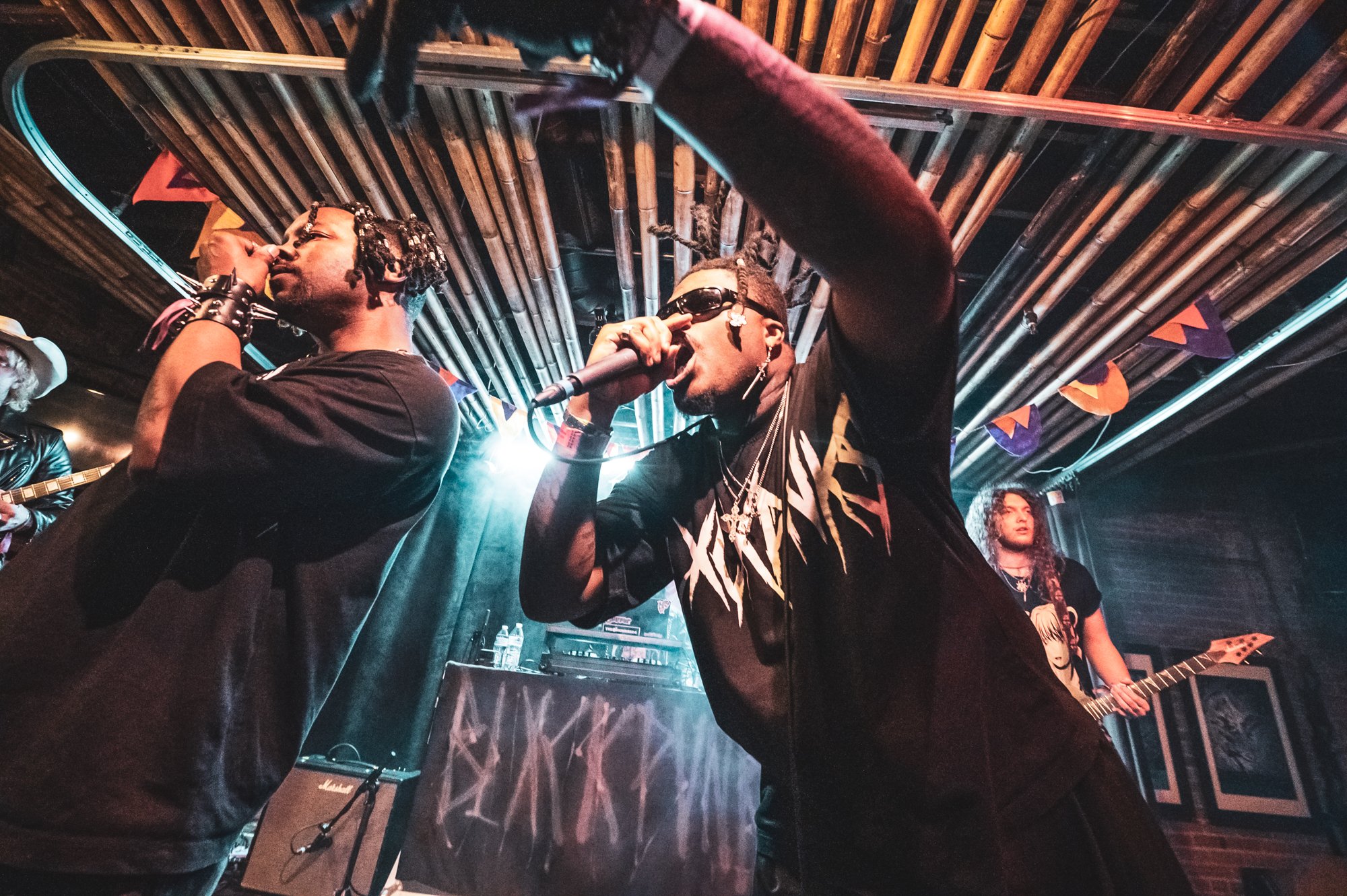
Photo credit: Shannon Johnston (@me_onlylouder) - BLXCKPUNKS