

A Visceral Gothic Debut: Mārama Film Review
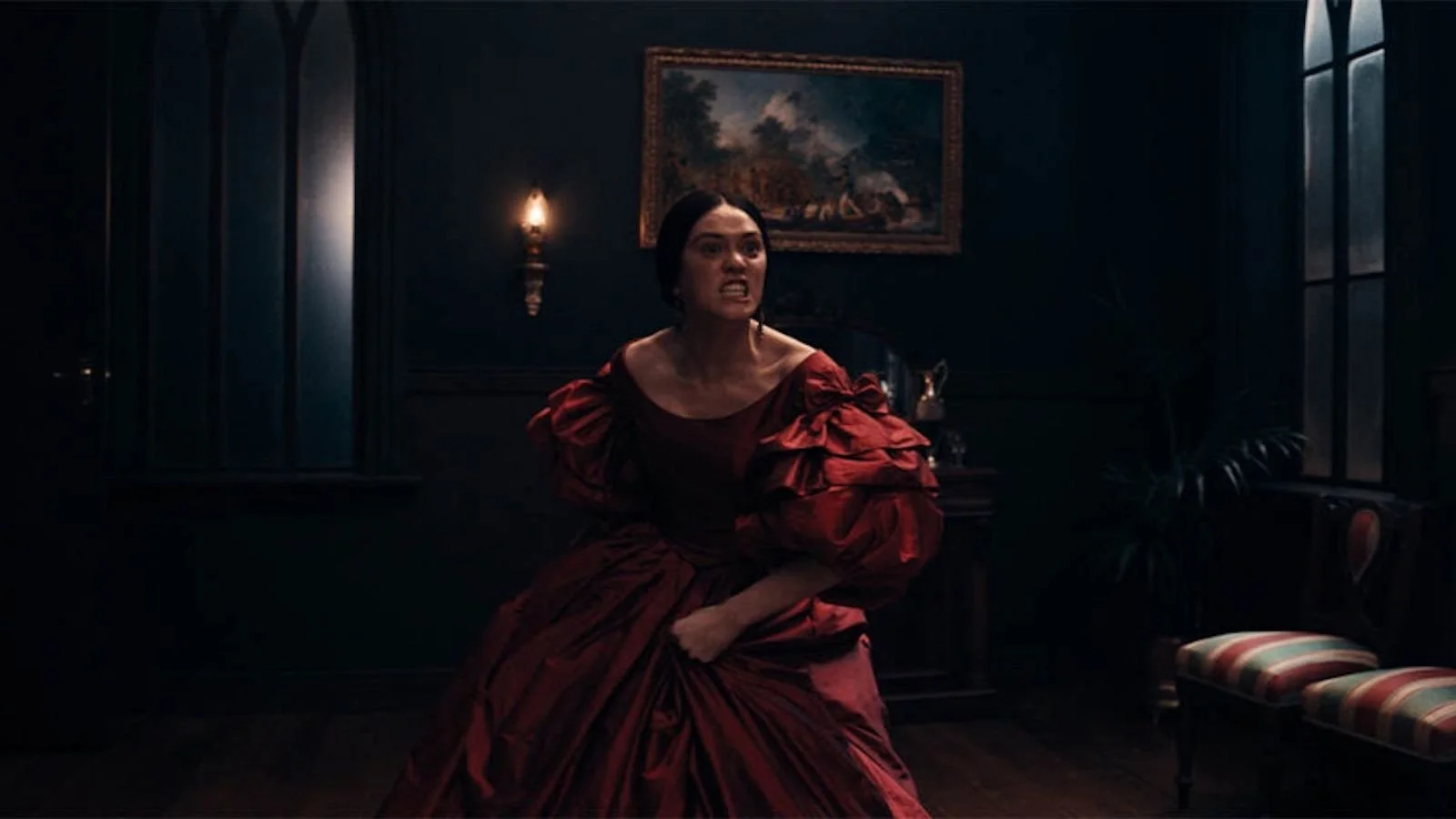
Still from Mārama. Photo courtesy of the Calgary Underground Film Festival.
If you were in the Globe Cinema this past Tuesday night and heard cheering and clapping coming out of the downstairs theatre, it might be easy to assume that the audience were watching a film that is categorized as anything but mystery, horror or thriller. If you were inside that theatre, you would know that those claps and cheers were coming from a rage that seemed to linger in the air and fill the crowd’s hearts.
Mārama is writer and director Taratao Stappard’s first feature, a bold and visceral gothic horror. Set in North Yorkshire in 1859, a young Māori woman named Mary (Ariāna Osborne) travels alone from Aotearoa [New Zealand] to meet a man who had sent her a letter saying that he had information about her biological parents. However, when she arrives, she is informed that the keeper of her most sought out truth has died and what greets her instead is this eerie household of locked doors, hallways of mirrors that reveal glimpses of the past and a wealthy benefactor named Nathaniel Cole (Toby Stephens) who offers her a job as a governess to his granddaughter Anne (Evelyn Towersey).
I think what Mārama does the best is not shying away from showing the real horrors that lurk beneath what may be so immediately present and on the surface. Mārama checks all the boxes and follows the formula of the traditional gothic tropes that we may be familiar with: the brooding manor in an isolated location — in this case the beautiful yet haunting mansion in the countryside, just off of a serene and grey North Sea cliff — supernatural occurrences, family secrets, madness and the “uncanny” that makes you shift a little on your seat, finding a hard time pointing out exactly what it is that unsettles you, only that it does and that it has been doing so for some time before being able to put your finger on it. Stappard clearly leans into all of this architecture and it becomes the means by which the film makes visible something far more disturbing: architecture of colonization and oppression.
Osborne’s performance is a strength of the film to note. A favourite scene from the film comes from Nathaniel’s party as she performs the Haka. This scene frames a vital rupture from Mary as her act of reclamation and a demand that is so confrontational and destabilizing, even if in the scene the meaning of her action is flattened by the very reality it confronts.
This rage in Mary’s actions seems to continue to evolve rather than dissipate and that evolution becomes one of the film’s most compelling through lines. This fire is also not softened by Stappard for the audience’s comfort, but even validated by the very structure of the film — the way Mary’s very being through her gift responds and feeds her growing unrest and want for the truth to be revealed.
By the time the film reaches the final act, the release we saw was necessary. As visceral as the ending may feel, it does not feel abrupt or excessive, it feels earned and inevitable.
That said, there are moments where the film lingers without fully developing details of the storyline even though they feel like they gesture toward something deeper. It felt as if at times the film pulled away before reaching their full potential. This is most evident with Jack Fenton (Erroll Shand)’s character.
Despite this, it does not take away from the film’s overall feeling of intentionality. By the end, there is almost a sense and an insistence of a call of action urging the audience to move beyond passive viewing and confront the histories the film refuses to soften.