

There is A Tenderness Behind The Theatre of Hyper-Masculinity: Jaripeo Film Review
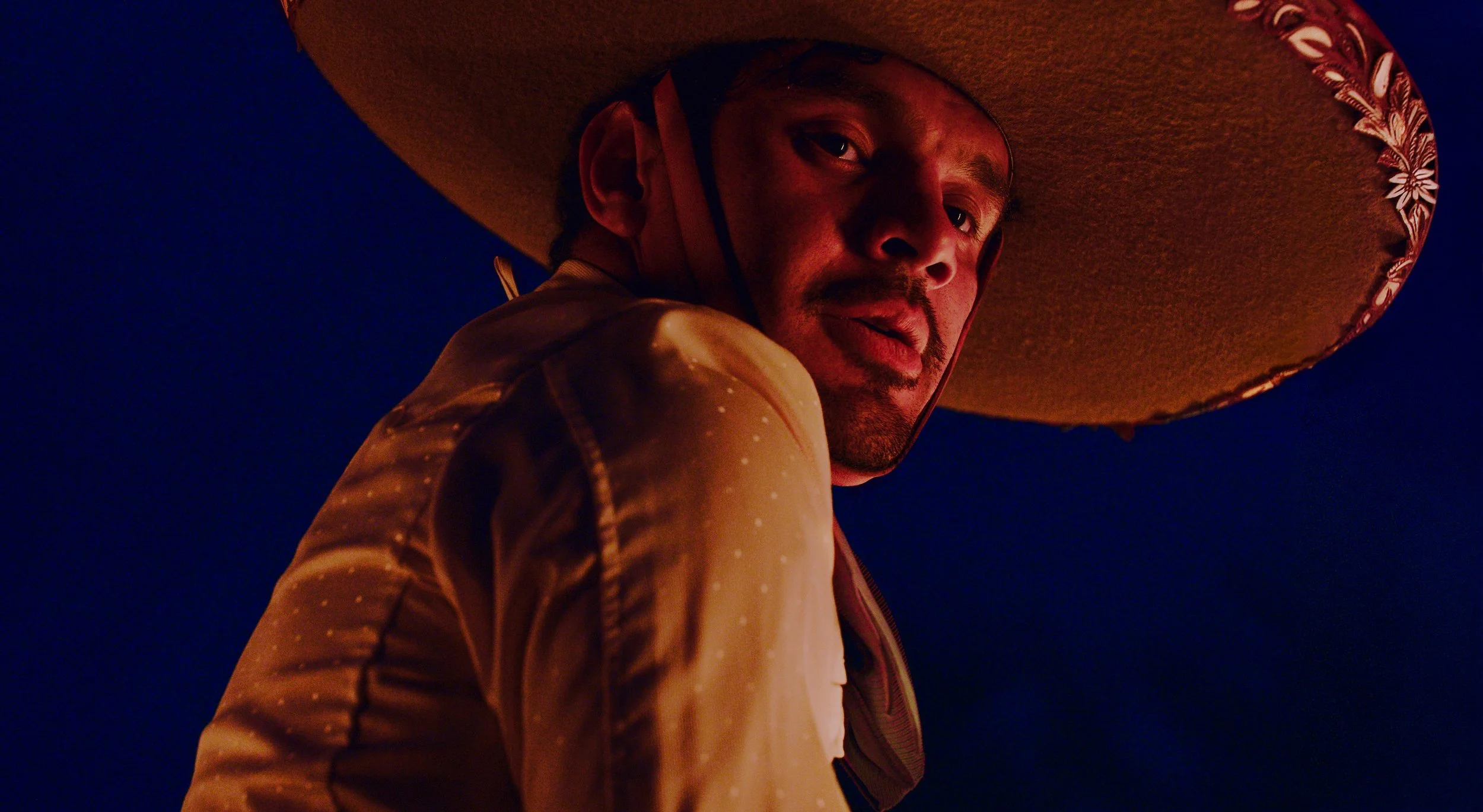
Still from Jaripeo. Photo courtesy of the Calgary Underground Film Festival.
In the rodeo rings of Michoacán, men ride bulls, banda brass rattles, tequila circulates freely and this annual cultural tradition eventually dissolves into a night of music and dancing. On the outside, the jaripeo may read as a theatre of hyper-masculinity, a feature of macho performance — belt buckles, cowboy boots, bravado, Catholic iconography — yet beneath it lies something far more tender and complex.
Jaripeo is directors Efraín Mojica and Rebecca Zweig’s first feature film. It is honest and raw, revealing the simple human experience that exists beyond and lies beneath expectation and what is immediately visible.
What Jaripeo and Mojica and Zweig do wonderfully is their representation of queerness as it exists: fluid, varied and deeply personal. Through loveable subjects they interview, the film allows each individual to define themselves on their own terms, one open, the other more reserved; one embraces contradiction, while the other speaks with quiet certainty.
Two striking moments emerge from these moments with subjects that seem to be on the opposing ends of the spectrum: one that presents more openly feminine (Joseph) and another who is a macho cowboy living more discreetly (Noé), framing multiplicity as central to their understanding of desire and identity.
The conversation with Joseph about being a pillar within their community, specifically the Catholic community, felt especially resonant to me, reflecting a tension I recognize, as many do: this pull between belonging to a community that has shaped or continue to shape you and navigating the parts of yourself that may not always fit neatly within it.
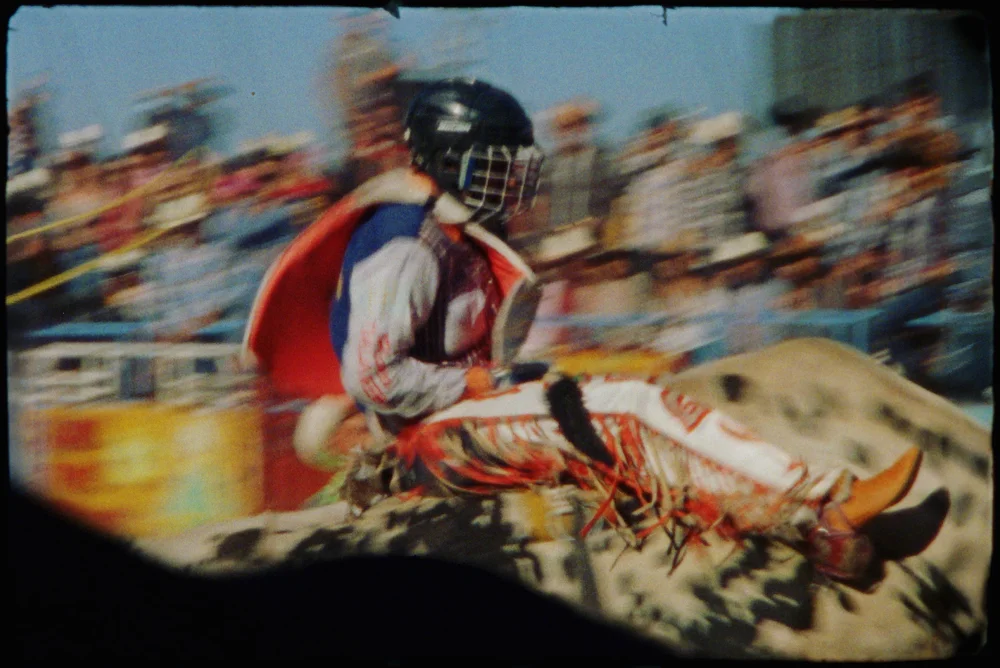
Still from Jaripeo. Photo courtesy of the Calgary Underground Film Festival.
On the other hand, Noé offers a different but equally revealing perspective. He speaks about being primarily attracted to men who embody a certain traditional masculinity, illuminating how he understands himself within queer identity. Rather than presenting this as fixed or uncomplicated as this was during an interaction with Mojica, the film allows his reflection to remain in tension, shaped by the same cultural codes it quietly observes.
Jaripeo does not challenge this directly, but instead lets it sit, highlighting the complexity of the ways compulsive heterosexuality and being surrounded by a culture of machismo can permeate and shape queer desire. Mojica and Zweig then open a space for the audience to reflect on how norms can be simultaneously internalized and quietly contested.
Cinematically, Jaripeo is also incredibly beautiful, with its Super 8 footage and scenes so captivating like those of those out in the field under flickering red lights or a rider gracefully riding a bucking mechanical bull in slow motion. This lends a textured nostalgia that feels both immediate, tender, frank and dreamlike.
Jaripeo offers something so rare: a vulnerable offering and insistence on interiority in a setting so often easily reduced to caricature. It allows queerness to be ordinary and simultaneously complicated at once, sometimes joyful, sometimes guarded, but never in need of translation to be real.
Jaripeo is continuing to tour various film festivals this year including Hot Docs in Toronto.